
|
I realize that I have already presented the case for the wearing of tzitziyot. If you have not read the first part of More Tassel, Less Hassle, this writing will not make much sense. This writing will serve to point out just a couple of minor flaws in the current line of thinking within the Messianic / Hebrew Roots "movements" regarding some “rules” for wearing tzitziyot. 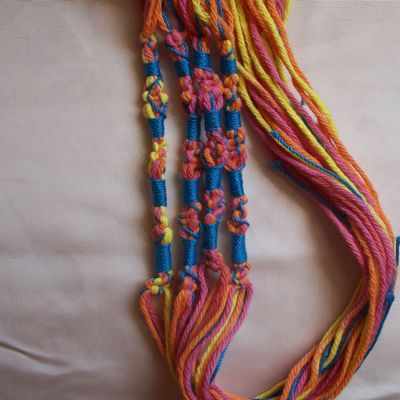
6 Comments
Should Believers today wear tzitziyot? If you are unfamiliar with the term, tzitzit (or tzitziyot, the plural form) are tassels or fringes. They are most commonly seen on Orthodox Jews. They are the long strings that hang off the corners of the tallit, or prayer shawl worn in synagogues. There is much debate amongst Jewish and Messianic scholars between how they should be worn, how they should be designed, where they should be worn and so forth. Many teach that since we live in the “new covenant era” that tzitzit, which are memory devices, are not necessary. They say that we have the commandments on our hearts, so we do not need physical reminders. I find this foolish, as Scripture NEVER says anything like that. Do Believers now not need to be reminded to keep the commandments? If Israel HEARD the voice of YHWH speaking some of the commandments, they SAW the pillar of fire and yet they still needed a reminder, then what makes us think we don’t need one too? But tradition aside, let’s let Scripture give us our answer. First, the command itself. It comes from Numbers 15 and Deuteronomy 22. 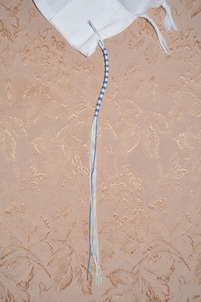 Many today believe that circumcision is no longer necessary. Christians simply write it off as being part of the Old Testament that has passed away. However, there are also many amongst the Messianic/Hebrew Roots crowd that believe circumcision has not necessarily been done away with, but rather replaced. Are they correct, or are the Christians? Perhaps the Jews? What if they’re all slightly off? That is what we’ll look at in this study.
Introduction Here lately I have seen many attacks on the Hebrew Masoretic Text. Many people out there claim that it contains certain readings that were altered after Yeshua's time, in order to combat the teachings of the early Believers. It is said that these sections alter prophecies that are applied to Yeshua in the NT. These people also say that the Greek Septuagint (LXX) is more accurate, because it does not contain these later alterations. They state that the NT writers quoted not from a Hebrew text, but from the LXX, and that the early "church" used the LXX far more than any Hebrew text. Thus, they conclude, we should trust it more than we do the Masoretic. Is this true? Is this indeed the route we should be taking in our quest for the Truths of Scripture? Surely no one wants a corrupted text. If your base text is corrupt, then any and every translation of it will also be corrupted (unless corrected based on a different text). If you have not yet read my series, How We Got Our Scriptures, I suggest you go and do that first. That series will lay a foundation for what is going to be discussed here. If you already have an understanding of who the Masoretes were, what they did, and so on, then you probably know enough to continue reading. I just don't want to thrust the reader into an issue he/she knows little about. 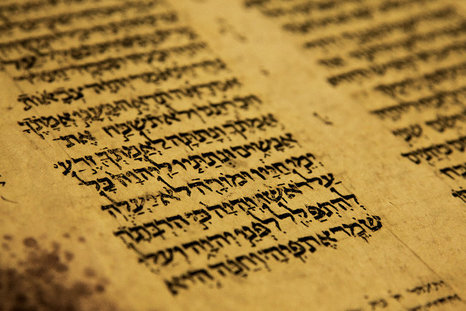 |
AuthorJonathan Andrew Brown Archives
February 2024
Categories |
 RSS Feed